Daikin Reverse Cycle Air Conditioners: A Homeowner’s Guide to Installation in Australia

When it comes to achieving year-round comfort in Australian homes, Daikin reverse cycle air conditioners have become a popular choice for homeowners seeking efficiency, reliability, and modern climate control. Whether you’re dealing with scorching summer heat in Queensland or chilly winter nights in Melbourne, a well-installed Daikin system can make all the difference. This guide walks you through the key steps and considerations involved in installing a Daikin reverse cycle unit, tailored specifically for Australian conditions.
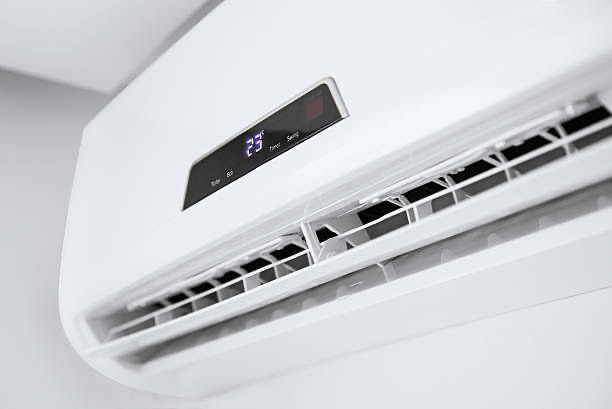
Daikin Reverse Cycle Air Conditioners
Daikin reverse cycle air conditioners installation

Why Choose Daikin Reverse Cycle Air Conditioners?

Daikin is a trusted name in the Australian HVAC industry, known for producing energy-efficient and durable systems that offer both heating and cooling. Reverse cycle air conditioners function as dual-purpose units — cooling your home in summer and warming it in winter, which is ideal for Australia’s diverse climate zones.

Unlike traditional systems that rely on separate heaters and coolers, Daikin reverse cycle air conditioners use advanced inverter technology to efficiently regulate indoor temperatures. These units also support improved air quality through built-in filters that trap allergens, making them ideal for allergy-prone households.

Assessing Your Home’s Needs

Before choosing a system, it’s important to assess your home’s specific needs. Factors such as home size, layout, insulation quality, and local climate all influence the type and size of unit required. For example:

  • Small apartments might only need a compact wall-mounted split system.
  • Larger homes or multi-story properties may benefit from a ducted system or multiple split units.
  • Coastal regions may require corrosion-resistant features to withstand salty air.

Working with a qualified HVAC professional can help ensure that your chosen Daikin system is properly matched to your living space, which is crucial for both comfort and energy efficiency.

Choosing the Right Installer

Selecting the right installer is just as important as choosing the air conditioner itself. In Australia, it is legally required that air conditioning installation be carried out by a licensed technician who is accredited by the Australian Refrigeration Council (ARC). This ensures compliance with environmental regulations and safety standards.

Ask for quotes from multiple installers, and check their reviews or referrals. A reputable installer will perform a site inspection, recommend appropriate unit sizes, and ensure your home’s electrical and structural infrastructure can support the system.

For Daikin reverse cycle air conditioners, Daikin’s own dealer network is a great starting point. Their installers are trained specifically on Daikin products and can help optimise your installation for performance and longevity.

Preparing for Installation Day

Once you’ve selected your unit and installer, preparing your home can help streamline the installation process. Here’s what to expect:

  • Indoor unit placement: The technician will install the indoor head unit where airflow will be most efficient, such as a central wall in the living room or bedroom.
  • Outdoor unit setup: The compressor unit will be placed outside, ideally in a shaded, well-ventilated area with minimal exposure to weather elements.
  • Drilling and cabling: Installers will need to drill through walls for piping and wiring, so access and permission for wall modifications are necessary.
  • Power connection: Some larger systems may require dedicated electrical circuits.

The installation typically takes a few hours for a split system and up to a full day for ducted systems, depending on the complexity and access.

Post-Installation Tips for Efficiency

Proper use and maintenance ensure that Daikin reverse cycle air conditioners deliver long-term value. Here are some best practices:

  • Set temperatures wisely: Aim for 24–26°C in summer and 18–20°C in winter for optimal efficiency.
  • Use timers and zoning features: Program the system to operate only when needed, and consider zoning to heat or cool individual rooms.
  • Clean filters regularly: Dirty filters reduce airflow and strain the system, so clean or replace them every few months.
  • Schedule annual servicing: Regular check-ups by a licensed technician help catch small issues before they become major problems.

Rebates and Energy Ratings in Australia

One of the added advantages of installing energy-efficient systems like Daikin’s is access to government incentives. Depending on your state or territory, you may be eligible for rebates or discounts through programs such as the Victorian Energy Upgrades (VEU) or New South Wales Energy Savings Scheme (ESS). Always ask your installer about current incentives available in your area.

Also, look for models with high Zoned Energy Rating Labels (ZERL), which provide performance scores tailored to Australia’s climate zones — a useful tool for making informed choices.

Final Thoughts

Installing Daikin reverse cycle air conditioners is a smart investment for Australian homeowners who want year-round comfort with the benefits of energy savings, modern features, and dependable performance. By carefully selecting your system, working with a qualified installer, and following maintenance best practices, you’ll enjoy efficient climate control tailored to your lifestyle and location.

Whether you live in the dry heat of Perth, the humid tropics of Darwin, or the cool winters of Hobart, Daikin has a solution that fits — and this guide ensures you’re well-informed every step of the way.
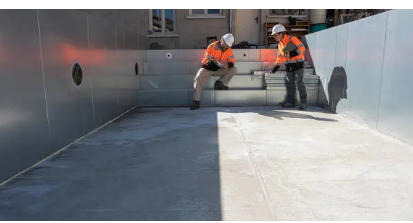

Swimming Pool Installers Adelaide: 10 Reasons to Hire Experienced Swimming Pool Installers

Building a swimming pool is a major investment that can transform your backyard in Adelaide into a personal oasis. However, the success of your pool project largely depends on the professionals you hire. While it may be tempting to cut corners and opt for the cheapest option, selecting experiencedswimming pool installers can make all the difference. Here are ten compelling reasons to hire seasoned professionals for your pool installation.

1. Proven Track Record of Quality Work

Experienced swimming pool installers bring years of hands-on knowledge and a portfolio of successful projects. Their excellent proven track record is a testament to their skill, professionalism, and ability to deliver quality results. With their expertise, you’re far less likely to encounter construction errors or costly redos.

swimming pool installers in Adelaide

2. In-depth knowledge of Pool Construction

From soil testing and excavation to plumbing and finishing, pool installation involves numerous technical steps. Skilled swimming pool installers understand the engineering and structural requirements necessary to build a safe and long-lasting pool. Their comprehensive knowledge ensures that every aspect of your project meets or exceeds industry standards.

3. Compliance with Local Building Codes

Every region has specific building codes and safety regulations for swimming pool construction. Experienced swimming pool installers are well-versed in these requirements and can ensure your pool is built legally and safely. It reduces the risk of fines, delays, or issues when selling your property in the future.

4. Accurate Project Planning and Timelines

One of the most common complaints about pool installation is the occurrence of unexpected delays. Professionals with experience are better equipped to plan projects, helping you completely stay on schedule and within budget. They know how to anticipate potential setbacks and adjust timelines accordingly to keep your project moving smoothly.

5. Access to High-Quality Materials and Equipment

Experienced swimming pool installers often have established relationships with trusted suppliers. It means they can source high-quality materials and the latest equipment at competitive prices. You benefit not only from better products but also from warranties and guarantees that lesser-known contractors might not offer.

6. Customisation Options and Design Expertise

A professional installer can significantly help bring your vision to life with tailored design solutions. Whether you desire a luxurious infinity pool, a family-friendly setup, or a lap pool for fitness, experienced swimming pool installers provide valuable design insights and customisation options tailored to match your lifestyle and preferences.

7. Fewer Mistakes and Reduced Risk

Mistakes in pool construction can be costly and dangerous. Improper grading, poor plumbing, or incorrect concrete work can lead to structural failures or water leaks. Hiring an experienced installer in Adelaide significantly reduces these risks, ensuring a smooth, worry-free installation process.

8. Efficient Problem Solving

Unexpected issues can arise during any construction project. With their depth of experience, seasoned swimming pool installers in Adelaide are quick to identify and resolve problems before they escalate. Their ability to troubleshoot effectively saves time, money, and stress.

9. Post-Installation Support and Maintenance Advice

Installing a pool is just the beginning. Maintaining it is an ongoing task. Experienced swimming pool installers often offer post-installation support, including maintenance tips, service packages, and troubleshooting assistance. Their guidance helps you keep your pool in top condition for years to come.

10. Increased Property Value and Peace of Mind

A professionally installed pool can significantly increase your home’s value and appeal. Prospective buyers in Adelaide recognise the quality of work and are more inclined to pay a premium for a well-constructed, low-maintenance pool. More importantly, hiring experienced swimming pool installers gives you peace of mind, knowing your investment is in the hands of a skilled and capable professional.

Final Thoughts

Choosing the right swimming pool installers is critical to the success of your project. While newer or cheaper contractors may promise the same results, only experienced professionals offer the reliability, expertise, and quality you deserve. When it comes to something as significant as a swimming pool, don’t take chances—invest in experience and enjoy the long-term rewards.

Whether you’re planning a new pool or upgrading an existing one, partnering with skilledswimming pool installers ensures a seamless process from start to finish. Take the time to research, ask for references in Adelaide, and choose a team that brings knowledge, trust, and a passion for excellence to your backyard paradise.

Physio Findon: A Confident Journey through the History of Physiotherapy in Findon, SA

Nestled just 6.5 km northwest of Adelaide’s CBD, Findon has embraced physiological therapies that reflect both its multicultural identity and evolving health needs. Physio Findon has become synonymous with adaptive, community-focused care in Findon, South Australia. This professional exploration traces the evolution of physiotherapy in Findon from its early 20th-century foundations to today’s advanced, inclusive services, illustrating a confident path shaped by pioneers, local clinics, and modern rehabilitation approaches.

Physio Findon
The history of physiotherapy in Findon, SA

From National Beginnings to Local Foundations

The modern profession of physiotherapy in Australia began in 1905 with the formation of the Australasian Massage Association, which was later renamed the Australian Physiotherapy Association. Yet, local progress in South Australia largely stemmed from trailblazers like Dorothy Mary Kell, known as “Mollie” Finnis. A graduate of the SA branch of the Australasian Massage Association in 1924, Finnis pioneered early interventions against poliomyelitis at Adelaide Children’s Hospital, challenging passive treatments in favour of active muscle re-education.

Although Finnis did not practise directly in Findon, her influence permeated the broader Adelaide region. As a foundation member of South Australia’s Physiotherapy Society in 1958 and a lecturer at the University of Adelaide, she mentored physiotherapists who later served communities in suburbs including Findon.

Post-war Expansion and Suburban Growth

After World War II, demand for physiotherapy surged in Australia, and Adelaide’s western suburbs, including Findon, felt the impact. South Australians recovering from injuries, joint conditions, and chronic ailments increasingly sought hands-on therapies, exercise rehabilitation, and community-accessible clinics.

By the late 1960s and 1970s, private practices and group clinics began to emerge along Grange Road and adjacent streets, responding to Findon’s growing, multicultural population, underlining the suburb’s place in Adelaide’s health landscape.

Modern Clinics: Innovation and Inclusivity

In recent decades, Findon has seen notable clinics elevate physiotherapy standards:

  • Inertia Physiotherapy, located on Grange Road, offers comprehensive rehabilitation services for musculoskeletal, sports, neurological, and post-surgical conditions. As “first contact practitioners,” their senior physiotherapists provide evidence-based treatments including manual therapy, dry needling, home exercise prescription, bracing, and posture education, catering to children, veterans and NDIS-funded patients.
  • Thrive Health Therapies, located at 184 Findon Road, exemplifies a modern, multidisciplinary model. Their Findon clinic offers a dedicated gym, a hydrotherapy pool, telehealth services, and home and community-based care. With no waitlist, LGBTQIA+ and neurodiversity support, and a full suite of funding options (NDIS, HCP, DVA, CDM), they champion inclusive, patient-focused physiotherapy.
  • Health on Grange Physiotherapy, located nearby in Flinders Park, extends complementary services in Findon’s catchment area. With on-the-spot health fund claiming, they address conditions affecting the neck, back, shoulder, and vestibular system—enhancing access and convenience for residents.

Community, Accessibility, and Local Identity

Findon’s physiotherapy landscape thrives on accessibility, with clinics easily accessible by public transport, offering disability-friendly parking and ramps, and integrating into community hubs near grocery stores or cafés. The suburb’s demographic diversity—from Italian and Punjabi communities to families and seniors—shapes the services offered. Providers like Thrive and Inertia tailor care to cultural preferences, age ranges, and funding needs, reflecting Findon’s inclusive spirit.

Local investment in rehabilitation is also notable: Thrive sponsors community athletic programs, Inertia engages with NDIS, WorkCover, and DVA-funded care, and clinics frequently offer hydrotherapy and sports rehabilitation, reinforcing Findon’s identity as a suburb committed to mobility, wellness, and active ageing.

Looking Ahead: Future of Physio Findon

As Findon evolves, so too will its physiotherapy model. Anticipated trends include:

  • Telehealth integration: Already in use by Thrive, telehealth is set to expand, improving access for mobility-limited clients.
  • Home-based hospital-substitute programs: With Physio Inq operating such services locally, in-home rehab following joint surgery is more attainable.
  • Hi-tech rehabilitation: Motion analysis, wearable technology, and virtual reality are gaining traction in Adelaide clinics—a sign that Findon’s practitioners may soon adopt these tools.
  • Preventative and wellness programmes: Community wellness workshops, postural assessments in schools, and group exercise classes can emerge as clinics deepen local assimilation.

Conclusion

From the early efforts of Dorothy “Mollie” Finnis and the broader establishment of the Australian Physiotherapy Association, to today’s advanced, inclusive, and community-focused clinics, the story of physiotherapy in Findon is one of steady progression and adaptation. Rooted in professional confidence, physio Findon has evolved into a pillar of health, mobility, and well-being for this vibrant suburb.

As the suburb grows, physio Findon will continue to reflect Findon’s commitment to accessible, innovative, and culturally sensitive care, positioning itself at the forefront of community health within South Australia.

Verandahs Adelaide: Things You Need to Know Before Building One on Your Property

Adding a verandah to your Adelaide property can be a smart move, both functionally and financially. Whether the goal is to enhance your home’s curb appeal, expand your outdoor living space, or increase resale value, the possibilities are as broad as your imagination. But before you dive into construction, there are critical considerations unique to building verandahs in Adelaide, South Australia. From council approvals to material selection and climate adaptability, here’s what you need to know to ensure a smooth and successful build.

Verandahs Adelaide
Building a verandah on your property

Understand Local Regulations and Council Approvals

Prior to breaking ground, it’s essential to be familiar with South Australia’s planning and building regulations. In most cases, verandahs Adelaide projects require council approval. This includes submitting detailed plans that demonstrate compliance with boundary setbacks, height limits, and heritage overlays, if applicable.

Adelaide councils, such as the City of Adelaide, Campbelltown, or Marion, have specific Development Plans. Even if the verandah is intended as a minor addition, failing to seek permission can result in fines or mandated demolition. Consider hiring a professional who understands local regulations and can assist with lodging your application through the SA Planning Portal.

Choose the Right Materials for Adelaide’s Climate

Adelaide’s Mediterranean climate—hot, dry summers and mild, wet winters—means your verandah must be designed with weather resilience in mind. Opt for materials that withstand UV exposure and temperature fluctuations without degrading.

Steel and aluminium frames are popular due to their durability and low maintenance, while timber brings a classic charm but may require more upkeep.

Using weather-resistant materials not only ensures longevity but also reduces ongoing maintenance costs, making verandahs Adelaide installations more sustainable in the long run.

Design with Functionality and Lifestyle in Mind

It’s easy to get caught up in aesthetics, but functionality should always guide your verandah design. Ask yourself: will it be used for dining, entertaining, relaxing, or all of the above? A well-planned layout should align with your lifestyle while enhancing the existing architecture of your home.

In Adelaide, where alfresco dining and outdoor gatherings are popular for much of the year, take a look into adding built-in seating, BBQ space, or even retractable blinds for sun and wind control. A north-facing verandah captures the winter sun and is ideal for passive solar heating, while an east-facing one offers a cool retreat on hot summer afternoons.

By tailoring your design to your lifestyle and Adelaide’s climate, you’ll create a comfortable outdoor space that adds real value.

Be Strategic About Orientation and Ventilation

Orientation isn’t just about aesthetics—it impacts comfort and energy efficiency. A poorly positioned verandah can trap heat in summer or block warming sunlight in winter. In Adelaide, this can significantly affect your home’s internal temperature and even increase your cooling or heating bills.

Make sure the structure complements existing airflow and doesn’t obstruct cross-ventilation. If privacy is a concern, screen panels, climbing plants, or louvred walls can be added without sacrificing airflow. Builders experienced in verandahs Adelaide projects can help assess the best orientation based on your specific block and home layout.

Budget Wisely and Account for Hidden Costs

Building a verandah is an investment, and while you might start with a rough estimate, costs can quickly add up. On average, Adelaide homeowners might spend anywhere between $5,000 to $30,000, in correlation on size, materials, and features. Additional costs could include council fees, soil preparation, electrical wiring for lighting, or plumbing for outdoor sinks.

Get multiple quotes from licensed builders, and ensure all potential expenses are itemised. Always include a contingency (10–15%) in your budget to account for unforeseen issues. A professionally installed verandahs Adelaide project pays off not just in aesthetics and function, but also in long-term property value.

Partner with Experienced Local Builders

Selecting the right builder can make or break your verandah project. Local experience matters, especially in Adelaide, where terrain, soil type, and building codes vary from suburb to suburb.

Ask to see past work, customer reviews, and make sure they carry the appropriate insurance—public liability and builders warranty. A dependable builder will also help streamline the council approval process and ensure the project is compliant from start to finish.

Think Long-Term: Maintenance and Upkeep

Once built, maintaining your verandah ensures it stays attractive and functional for years to come. Adelaide’s climate can cause paint to peel, timber to crack, or debris to collect in gutters. A regular maintenance schedule—cleaning, resealing timber, checking structural joints—will protect your investment.

Consider installing features like gutter guards or powder-coated finishes to minimise ongoing care. Choosing quality materials during construction will reduce your long-term maintenance load—a smart move for any verandahs Adelaide installation.

Final Thoughts

Building a verandah in Adelaide is more than just a home improvement—it’s an opportunity to embrace outdoor living and enhance your property’s usability and value. By understanding local regulations, designing with purpose, budgeting realistically, and selecting skilled builders, you set the stage for a successful project.

The unique demands of South Australia’s environment mean that every detail—from orientation to materials—plays a role in your verandah’s long-term performance. With careful planning, your new outdoor space will become a seamless and enjoyable extension of your Adelaide lifestyle.

Sell my Property: The Ultimate Checklist

Selling a home is one of the most significant financial decisions you’ll make in your lifetime. Whether you’re upgrading, downsizing, or relocating, knowing exactly what to consider when you decide to sell your property can make the process smoother, faster, and more profitable. This comprehensive checklist will guide you thoroughly through the essential steps and key factors to consider when listing your property for sale in Tauranga.

1. Understand the Current Real Estate Market

Before you begin the process of selling your property, it’s remarkably essential to understand the current real estate market conditions. Is it a seller’s market, characterised by high demand and low inventory, or a buyer’s market, where properties linger on the market for longer periods? Market timing can significantly impact your selling price and the speed at which your property sells. Research local market trends, recent sales, and property values in your neighbourhood.

sell my property

2. Set a Realistic Asking Price

One of the biggest mistakes sellers make is overpricing their property. Setting an unrealistic price can deter potential buyers and prolong the selling process. To avoid this, consider obtaining a professional appraisal or consulting with a real estate agent to determine a competitive and fair market price accurately. Pricing your home right from the start helps attract serious buyers and increases your chances of a quick sale.

3. Prepare Your Property for Sale

When you decide to sell my property, presentation is everything. First impressions matter, and a well-maintained, clean, and appealing home can significantly boost buyer interest. Consider the following:

  • Repairs: Address any visible damage, including leaking faucets, cracked tiles, or broken windows.
  • Cleaning: Deep clean every room and declutter to make your space look larger and more inviting.
  • Staging: Arrange furniture to highlight your home’s best features, or hire a professional stager for maximum impact.
  • Curb Appeal: Improve the exterior by mowing the lawn, trimming bushes, beautifully painting the front door, and adding welcoming touches like potted plants.

4. Gather Necessary Documentation

Selling a property remarkably involves a significant amount of paperwork. Having your documents ready can significantly speed up the process. Be prepared with:

  • Title deed and ownership documents
  • Property tax receipts
  • Building permits and renovation records
  • Utility bills
  • Home inspection reports, if available

These documents reassure buyers and help avoid legal hiccups during the transaction.

5. Choose the Right Selling Method

There are several ways to sell my property, and choosing the right method depends on your circumstances, timeline, and budget:

  • Real estate agent: Hiring an agent can ease the process as they handle marketing, negotiations, and paperwork.
  • For sale by owner (FSBO): You manage everything yourself to save on commission fees, but it requires more effort and knowledge.
  • Auction: This can create urgency and competitive bidding but may not guarantee your desired price.

Evaluate each option carefully, and always choose the one that works best for you.

6. Market Your Property Effectively

Effective marketing is crucial for quickly attracting buyers. Use a mix of online and offline marketing strategies:

  • Professional photos and videos: High-quality visuals showcase your property’s best features.
  • Online listings: Utilise popular real estate websites and social media platforms.
  • Open houses: Invite potential buyers to significantly view your property in person.
  • Flyers and local ads: Target nearby communities and neighbourhoods.

Good marketing increases visibility and interest, helping you sell your property faster.

7. Be Ready to Negotiate

Expect buyers to negotiate on price and terms. Set your minimum acceptable price and consider other factors, such as the closing date or contingencies. Negotiations can be stressful, but staying flexible and professional helps close the deal. Remember, a willing buyer and seller often meet somewhere in the middle.

8. Understand Legal and Financial Implications

Selling a property has legal and financial consequences. Make sure you:

  • Understand capital gains tax obligations
  • Comply with local property sale regulations
  • Consult a real estate attorney or legal expert if needed
  • Be aware of closing costs, agent commissions, and transfer fees

Being informed prevents surprises at the closing table and ensures a smooth transaction.

Final Thoughts

When you decide to sell your property, being well-prepared and fully informed is key to a successful sale. Use this ultimate checklist as your roadmap — from understanding the market and pricing correctly to preparing your home and navigating legal requirements. By taking these factors into account, you can maximise your property’s value and enjoy a stress-free selling experience.

If you’re ready to sell my property, start with research, planning, and professional advice to make the process smooth and rewarding.

Mobility Scooters: A Comprehensive Guide

Mobility scooters have become an essential mode of transport for many residents in Adelaide, South Australia. These devices offer independence and ease of movement for individuals with mobility challenges. This guide provides an overview of mobility scooters in Adelaide, covering legal requirements, public transport compatibility, and local suppliers.​ For quality mobility scooters, check this out!

Understanding Mobility Scooters

Mobility scooters, also known as motorised wheelchairs or gophers, are battery-powered devices designed to assist individuals who have difficulty walking. They are especially beneficial for those who need to travel short distances but cannot do so on foot.

mobility scooters

Legal Requirements in South Australia

In South Australia, mobility scooters are subject to specific regulations to ensure the safety of users and the public.​

Classification and Usage

Under the Australian Road Rules, a mobility scooter is considered a pedestrian if it:​

  • It is not capable of travelling faster than 10 km/h.
  • It is used by a person who has difficulty walking.​

Users must adhere to pedestrian rules, such as using footpaths where available and crossing roads at designated crossings. ​

Size and Weight Limitations

To be used on public transport, mobility scooters must meet specific size and weight criteria:​

  • Maximum dimensions: 1250mm (length) x 740mm (width) x 1500mm (height).
  • Must be able to turn 180 degrees within a 2070mm x 1540mm area.
  • Total weight, including the rider and any baggage, must not exceed 300kg.​

These specifications ensure that the scooter can safely board and alight from public transport vehicles.

Public Transport Compatibility

Adelaide Metro allows mobility scooters on buses, trains, and trams, provided they meet the aforementioned size and weight requirements.​

Boarding Procedures

  • Buses: Signal the driver to stop. The driver will deploy a ramp at the front door. Use the ramp with wheels straight and avoid turning on the ramp.
  • Trains and Trams: Wait at the platform marked with the international symbol of access. The driver will set up the access ramp for boarding.​

Allocated spaces are available on all modes of transport for mobility scooter users.  

Local Suppliers and Services

Adelaide hosts several reputable mobility scooter suppliers offering a range of products and services:​

Scooters Australia – Adelaide

Located in Lonsdale, this showroom offers a wide selection of portable, everyday, and large scooters. They provide in-home demonstrations and have a mobile technician for servicing.

Elite Health & Mobility

With over 75 years in the industry, Elite Health & Mobility offers top-quality mobility products. They provide in-home demonstrations and have a dedicated showroom team to assist customers.

RAA Mobility Scooters

RAA offers a range of Shoprider mobility scooters and provides servicing and repairs. RAA members receive discounts on servicing and parts. They also offer roadside assistance for mobility scooters.

Purchasing Considerations

When considering purchasing a mobility scooter in Adelaide, take into account:​

  • Terrain: Choose a scooter suitable for the areas you plan to travel.
  • Transport: Ensure the scooter meets public transport size requirements if you intend to use it on buses or trains.
  • Storage: Consider where you will store the scooter when not in use.​

Prices for mobility scooters vary, with entry-level models being more affordable but offering less range and power. ​

Safety Tips

To ensure the safe operation of your mobility scooter:​

  • Visibility: Use flags or lights to make yourself visible to others.
  • Speed: Adjust your speed according to the environment, especially in crowded areas.
  • Maintenance: Regularly service your scooter to ensure it remains in good working condition.​

Always be aware of your surroundings and follow pedestrian rules to ensure your safety and that of others.   

Conclusion:

Mobility scooters in Adelaide are more than just a convenience—they are a vital tool for independence, freedom, and improved quality of life for those with mobility challenges. With clear regulations in South Australia, accessible public transport options, and a strong network of local suppliers, individuals can confidently choose and use a mobility scooter that fits their lifestyle.

Whether you’re navigating city streets, shopping precincts, or simply enjoying the outdoors, a mobility scooter ensures you stay active and connected. By staying informed and choosing wisely, you can make the most of everything Adelaide has to offer—on your terms.

Migration Agent Brisbane: Your Guide to Professional Immigration Services

When it comes to navigating the complexities of the Australian immigration system, having a professional migration agent in Brisbane, QLD, can make a significant difference. Whether you’re looking to move to Australia for work, study, or family reasons, a qualified migration agent can significantly guide you through the process efficiently and with confidence. For a skilled migration agent, click here.

What is a Migration Agent?

A migration agent is a licensed professional who specialises in Australian immigration law. They help individuals and businesses understand the various visa options available and assist with the application process. Migration agents in Brisbane, QLD, are highly skilled in navigating the ever-evolving landscape of Australian immigration, providing expert advice and representation to ensure that applications are processed smoothly and in accordance with Australian law.

skilled migration agent

Why Do You Need a Migration Agent in Brisbane?

Australia’s immigration system can be intricate, with numerous visa categories and specific requirements for each one. Applying for a visa without the proper knowledge or guidance can lead to mistakes, delays, or even a visa refusal. Here’s why hiring a migration agent in Brisbane is essential:

Expert Knowledge of Australian Immigration Law

Australian immigration law is constantly changing, with new visa subclasses, requirements, and processing times introduced regularly. A migration agent keeps up with these changes and ensures that your application complies with the latest regulations.

Tailored Advice for Your Situation

Every immigration case is unique, whether you’re applying for a skilled worker visa, student visa, or family reunion visa. A migration agent can provide tailored advice based on your specific circumstances, helping you choose the most suitable visa option and avoid unnecessary delays.   

Increased Chances of Visa Approval

One of the most important reasons to hire a migration agent is that they can help ensure your application is complete and error-free. Migration agents are trained to gather the proper documentation, complete forms correctly, and submit everything according to the requirements.

Save Time and Avoid Stress

The process of applying for a visa can be time-consuming and stressful, especially if you’re unfamiliar with the steps involved. A migration agent in Brisbane can handle the paperwork, deal with government agencies, and keep you updated on the progress of your application. It allows you to significantly focus on other essential aspects of your move to Australia, such as finding accommodation or securing employment.

Key Services Provided by a Migration Agent in Brisbane

Migration agents offer a wide range of services to help individuals and families through their immigration journey. Below are some of the core services that a migration agent in Brisbane can provide:

Visa Consultation and Assessment

A migration agent will assess your eligibility for various visa options based on your personal and professional circumstances. They’ll explain the available visa types and their requirements and help you determine which visa best suits your needs. This consultation ensures that you’re applying for the correct visa the first time.

Assistance with Visa Applications

Once you’ve chosen the correct visa, a migration agent will assist you in completing the visa application form and gathering the necessary documents. They will make sure everything is filled out correctly and submitted to the proper authorities on time.

Representation in Immigration Matters

Migration agents are licensed to represent clients in dealings with the Department of Home Affairs and other government agencies.  

Assistance with Visa Appeals

In the unfortunate event that your visa application is rejected, a migration agent can help you navigate the appeals process.

Permanent Residency and Citizenship Guidance

For those looking to become permanent residents or citizens of Australia, a migration agent in Brisbane can offer guidance on the best pathways to achieve this.

Conclusion:

Hiring a migration agent in Brisbane, QLD, can significantly enhance your chances of a successful immigration experience. With their expert knowledge, personalised services, and guidance through every stage of the process, migration agents offer invaluable support for anyone looking to start a new life in Australia. If you’re considering migrating to Australia, it’s well worth investing in a qualified migration agent to ensure your application is handled efficiently and professionally.

Architects Canberra: Designing the Future

In the heart of Australia, Canberra stands as a testament to architectural innovation and design excellence. As the capital city of the Australian Capital Territory (ACT), Canberra boasts a vibrant community of architects who shape its skyline and urban landscape. From iconic government buildings to contemporary residential spaces, architects in Canberra play a pivotal role in defining the city’s aesthetic identity and functionality. For professional FEA architects, click here.

Architectural Diversity in Canberra

Canberra’s architectural landscape is as diverse as its residents. The city is home to a blend of historic buildings, modern skyscrapers, and eco-friendly designs that reflect its progressive outlook. Architects in Canberra leverage the city’s unique urban planning framework, which emphasises green spaces and sustainable development.

One of the standout features of Canberra’s architecture is its integration with nature. Many architects prioritise environmentally friendly designs that incorporate natural elements and maximise energy efficiency. This approach not only enhances the aesthetic appeal of buildings but also promotes sustainability—a core value in the city’s architectural ethos.

Architectural Firms and Projects

Several prominent architectural firms call Canberra home, each contributing uniquely to the city’s built environment. From large-scale commercial projects to bespoke residential designs, these firms cater to a wide range of clients and requirements.

Cox Architecture

Cox Architecture is a leading firm known for its innovative approach to design. With a portfolio spanning public infrastructure, educational institutions, and cultural centres, Cox Architecture has left an indelible mark on Canberra’s architectural landscape. Their projects blend functionality with creativity, making them a cornerstone of the city’s architectural scene. For professional FEA architects, click here.

Guida Moseley Brown Architects

Specialising in sustainable architecture, Guida Moseley Brown Architects has been instrumental in promoting eco-friendly building practices in Canberra. Their projects emphasise passive design principles and renewable energy sources, setting a benchmark for environmentally conscious architecture in the region.

Townsend + Associates Architects

Known for their residential designs, Townsend + Associates Architects combine aesthetic flair with practicality. They are renowned for creating homes that harmonise with Canberra’s natural surroundings while meeting the diverse needs of homeowners.

The Role of Architects in Canberra’s Development

Architects in Canberra are not merely designers; they are urban planners and community builders. They collaborate closely with local governments, developers, and stakeholders to envision and execute projects that enhance the city’s livability and functionality.

Urban renewal projects in Canberra often involve architects reimagining and revitalising existing spaces. From transforming industrial zones into vibrant cultural hubs to redesigning urban parks for better accessibility, architects play a crucial role in shaping the city’s evolving identity.

Challenges and Opportunities

Like any thriving city, Canberra presents architects with both challenges and opportunities. Balancing growth with environmental sustainability remains a primary concern. Architects must navigate regulatory frameworks and community expectations while pushing the boundaries of design innovation.

The demand for sustainable architecture presents a significant opportunity for Canberra’s architects. As awareness of environmental issues grows, so does the desire for buildings that minimise carbon footprints and maximise energy efficiency. Architects who embrace sustainable practices are well-positioned to lead the city towards a greener future. For professional FEA architects, click here.

Discovering Canberra’s Architectural Marvels

Canberra, ACT, reveals architectural marvels that blend innovation with environmental sustainability—architects here craft buildings that harmonise with the city’s natural surroundings while embracing modern design principles. From the iconic structures that symbolise governmental authority to the eco-friendly residential spaces that promote sustainable living, Canberra’s architects continuously redefine urban landscapes. Their commitment to blending functionality with aesthetic appeal ensures that every building contributes to Canberra’s unique charm and livability. As the city evolves, so too does its architectural identity, guided by the vision and creativity of its architects. Discover Canberra’s architectural wonders and witness the future of urban design unfold.

Canberra’s Architectural Renaissance

Canberra, ACT, is experiencing a renaissance in architectural design. From sustainable skyscrapers to revitalised cultural spaces, architects are reshaping the city’s skyline and community spaces. Embracing innovation and sustainability, Canberra’s architects pave the way for a vibrant and eco-conscious urban future.

Conclusion:

In conclusion, architects in Canberra, ACT, are at the forefront of shaping a city that blends modernity with natural beauty. Their designs reflect a commitment to sustainability and innovation, ensuring that Canberra remains a dynamic and livable capital for years to come. Whether designing iconic landmarks or sustainable housing, architects in Canberra continue to redefine what is possible in urban architecture.

Therapy For Dogs With Hip Dysplasia: Physical Therapy for Dogs with Hip Dysplasia

Hip dysplasia is a common and often debilitating condition affecting dogs of various breeds and sizes. This congenital disorder results in malformation and instability of the hip joint, leading to pain, lameness, and reduced mobility. While surgical options are available, physical therapy for dogs with hip dysplasia has emerged as a highly effective, non-invasive treatment approach that can significantly improve a dog’s quality of life. Among the various therapies, laser therapy for dogs with hip dysplasia has garnered attention for its remarkable benefits.

therapy for dogs with hip dysplasiaUnderstanding Hip Dysplasia in Dogs

Hip dysplasia occurs when the hip joint, which is supposed to function as a ball-and-socket, does not develop properly. This improper development causes the joint to become loose, leading to abnormal wear and tear, arthritis, and chronic pain. Factors contributing to hip dysplasia include genetics, rapid growth, excessive weight, and improper nutrition. Breeds such as German Shepherds, Labrador Retrievers, and Golden Retrievers are particularly prone to this condition.

Symptoms of Hip Dysplasia

Recognizing the symptoms of hip dysplasia is crucial for early intervention. Common signs include:

  • Lameness: Difficulty walking, running, or climbing stairs.
  • Stiffness: Especially noticeable after rest or during cold weather.
  • Reduced Activity: Decreased interest in physical activities and play.
  • Pain: Signs of discomfort when the hip area is touched.
  • Bunny Hopping: A gait where both hind legs move together rather than alternately.

The Role of Physical Therapy

Physical therapy for dogs with hip dysplasia focuses on reducing pain, improving joint function, and enhancing overall mobility. A comprehensive therapy plan typically includes a combination of therapeutic exercises, manual therapy, hydrotherapy, and laser therapy. These interventions work synergistically to strengthen muscles, support joints, and alleviate discomfort.

Therapeutic Exercises

Therapeutic exercises are designed to enhance muscle strength, improve joint stability, and increase range of motion. Exercises such as controlled walking, sit-to-stand movements, and balance activities on wobble boards can help strengthen the muscles around the hip joint, providing better support and reducing stress on the joint.

Manual Therapy

Manual therapy involves hands-on techniques such as massage, stretching, and joint mobilization. These techniques help reduce muscle tension, improve blood circulation, and enhance flexibility. Regular manual therapy sessions can alleviate pain and stiffness, promoting better movement and comfort for dogs with hip dysplasia.

Hydrotherapy

Hydrotherapy, or water-based exercise, is particularly beneficial for dogs with hip dysplasia. The buoyancy of water reduces the weight-bearing strain on joints, allowing dogs to exercise without causing additional pain. Swimming and underwater treadmill sessions are excellent forms of hydrotherapy that enhance muscle strength, improve cardiovascular fitness, and increase joint range of motion.

Laser Therapy for Dogs with Hip Dysplasia

Laser therapy for dogs with hip dysplasia has become a popular and effective treatment modality. This non-invasive therapy uses low-level lasers to penetrate tissues, stimulating cellular activity and promoting healing. The benefits of laser therapy include:

  • Pain Relief: Laser therapy helps reduce inflammation and pain, providing significant relief for dogs suffering from hip dysplasia.
  • Enhanced Healing: By stimulating cellular repair and regeneration, laser therapy accelerates the healing process of damaged tissues.
  • Improved Mobility: Regular laser therapy sessions can improve joint function and flexibility, allowing dogs to move more comfortably.
  • Non-Invasive and Painless: Laser therapy is a gentle, pain-free treatment that does not require sedation or anesthesia.

Implementing a Physical Therapy Plan

A tailored physical therapy plan is essential for addressing the specific needs of each dog with hip dysplasia. The first step is a thorough assessment by a veterinarian or a certified canine rehabilitation therapist. This assessment will determine the severity of the condition and the most appropriate therapeutic interventions.

Combining Therapies for Optimal Results

Combining various therapies often yields the best results. For instance, a therapy plan might include regular hydrotherapy sessions, therapeutic exercises, manual therapy, and laser therapy for dogs with hip dysplasia. This comprehensive approach addresses multiple aspects of the condition, ensuring a holistic and effective treatment strategy.

Home Care and Lifestyle Adjustments

In addition to professional therapy sessions, incorporating home care and lifestyle adjustments is crucial. Maintaining a healthy weight, providing a balanced diet, and ensuring a comfortable living environment with supportive bedding can significantly impact a dog’s well-being. Pet owners should also be diligent about administering any prescribed medications and supplements that support joint health.

Conclusion

Physical therapy for dogs with hip dysplasia offers a lifeline for dogs struggling with this painful condition. Through a combination of therapeutic exercises, manual therapy, hydrotherapy, and innovative treatments like laser therapy for dogs with hip dysplasia, significant improvements in mobility and quality of life are achievable. Early intervention, a tailored therapy plan, and ongoing care are key to managing hip dysplasia effectively, allowing dogs to enjoy a more active and pain-free life. As always, consulting with a veterinarian or a certified canine rehabilitation therapist is essential to developing the most suitable treatment plan for your furry friend.

Switchboard Upgrade: Ensuring Safety and Efficiency through Switchboard Upgrades

Adelaide, the bustling capital of South Australia, is a city that beautifully combines historical charm with modern living. As the city continues to grow and evolve, so do the electrical demands of its homes and businesses. One critical aspect of maintaining electrical safety and efficiency in Adelaide is through switchboard upgrades. This article explores the importance of switchboard upgrades, the factors affecting the switchboard upgrade overall cost, and why Adelaide residents should consider this essential electrical improvement.

The Importance of Switchboard Upgrades

Switchboards, also known as fuse boxes or distribution boards, are the heart of a property’s electrical system. They efficiently distribute electricity from the main supply to various circuits throughout the building. Over time, especially in older homes, switchboards can become outdated and unable to handle the continuous increase in electrical loads of modern appliances and devices. Upgrading your switchboard is crucial for several reasons:

  1. Safety: The primary reason for a switchboard upgrade is safety. Older switchboards may have outdated fuses or circuit breakers that are less effective at preventing electrical fires or shocks. Modern switchboards come with advanced safety features like RCDs (Residual Current Devices) and circuit breakers, which provide better protection against electrical faults.
  2. Compliance: Electrical standards and regulations are continually updated to ensure safety. An old switchboard may not comply with current standards, potentially leading to insurance issues or legal problems. Upgrading ensures compliance with the latest safety regulations.
  3. Increased Electrical Demand: Modern homes and businesses use a plethora of electronic devices and appliances, from computers and entertainment systems to air conditioners and electric vehicles. An old switchboard may not be equipped to handle this increased demand, leading to frequent tripping and power outages. A switchboard upgrade ensures a stable and efficient power supply.

Factors Affecting the Switchboard Upgrade Overall Cost

The overall cost of a switchboard upgrade in Adelaide can vary based on several factors. Understanding these factors can help homeowners and business owners budget effectively for this essential upgrade:

  1. Current Condition: The state of your existing switchboard significantly affects the upgrade cost. If your switchboard is very old or in poor condition, it may require more extensive work to bring it up to standard.
  2. Electrical Load Requirements: The number of circuits and the overall electrical load of your property will influence the cost. Larger properties with higher electrical demands will need more sophisticated switchboards with more circuits, which can increase the cost.
  3. Type of Switchboard: The type of switchboard you choose impacts the overall cost. Modern switchboards with advanced safety features and higher capacity are generally more expensive than basic models. Investing in a high-quality switchboard can provide better safety and longevity.

Choosing a Professional for Your Switchboard Upgrade in Adelaide

Given the complexities and safety considerations involved, a switchboard upgrade is not a DIY project. It’s significantly essential to hire a licensed and experienced electrician to carry out the work. Here are some tips for choosing the right professional for your switchboard upgrade in Adelaide:

  1. Licensing and Certification: Ensure the electrician is fully licensed and certified to perform electrical work in South Australia. It guarantees that they have the necessary training and knowledge to handle the job safely and effectively.
  2. Experience and Reputation: Look for an electrician with experience in switchboard upgrades and a solid reputation in Adelaide. Reviews and testimonials from previous clients can provide insights into their reliability and quality of work.
  3. Quotes and Estimates: Obtain multiple quotes from different electricians to compare costs and services. A detailed quote should outline the scope of work, materials, labour costs, and any additional expenses.
  4. Warranty and Guarantees: Choose an electrician who offers a warranty on their work. It ensures that any issues arising after the installation will be addressed without additional costs.

Conclusion

Switchboard upgrades are vital to maintaining electrical safety and efficiency in Adelaide homes and businesses. By investing in a modern switchboard, you can protect your property from electrical hazards, ensure compliance with current standards, and meet the growing electrical demands of contemporary living. While the overall cost of a switchboard upgrade can vary, the benefits far outweigh the expenses. By choosing a licensed and experienced electrician, Adelaide residents can enjoy the peace of mind that comes with a safe and reliable electrical system.