When it comes to achieving year-round comfort in Australian homes, Daikin reverse cycle air conditioners have become a popular choice for homeowners seeking efficiency, reliability, and modern climate control. Whether you’re dealing with scorching summer heat in Queensland or chilly winter nights in Melbourne, a well-installed Daikin system can make all the difference. This guide walks you through the key steps and considerations involved in installing a Daikin reverse cycle unit, tailored specifically for Australian conditions.
Why Choose Daikin Reverse Cycle Air Conditioners?
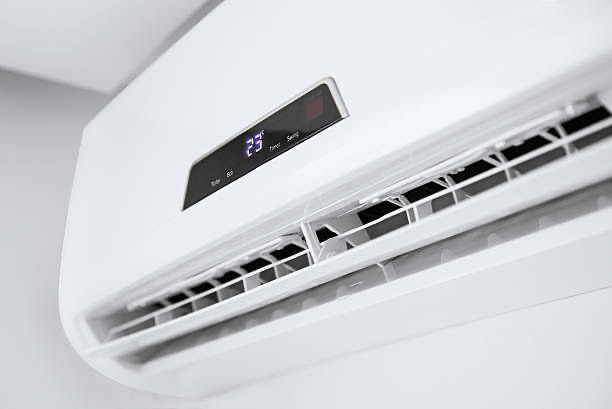
Daikin is a trusted name in the Australian HVAC industry, known for producing energy-efficient and durable systems that offer both heating and cooling. Reverse cycle air conditioners function as dual-purpose units — cooling your home in summer and warming it in winter, which is ideal for Australia’s diverse climate zones.
Unlike traditional systems that rely on separate heaters and coolers, Daikin reverse cycle air conditioners use advanced inverter technology to efficiently regulate indoor temperatures. These units also support improved air quality through built-in filters that trap allergens, making them ideal for allergy-prone households.
Assessing Your Home’s Needs
Before choosing a system, it’s important to assess your home’s specific needs. Factors such as home size, layout, insulation quality, and local climate all influence the type and size of unit required. For example:
- Small apartments might only need a compact wall-mounted split system.
- Larger homes or multi-story properties may benefit from a ducted system or multiple split units.
- Coastal regions may require corrosion-resistant features to withstand salty air.
Working with a qualified HVAC professional can help ensure that your chosen Daikin system is properly matched to your living space, which is crucial for both comfort and energy efficiency.
Choosing the Right Installer
Selecting the right installer is just as important as choosing the air conditioner itself. In Australia, it is legally required that air conditioning installation be carried out by a licensed technician who is accredited by the Australian Refrigeration Council (ARC). This ensures compliance with environmental regulations and safety standards.
Ask for quotes from multiple installers, and check their reviews or referrals. A reputable installer will perform a site inspection, recommend appropriate unit sizes, and ensure your home’s electrical and structural infrastructure can support the system.
For Daikin reverse cycle air conditioners, Daikin’s own dealer network is a great starting point. Their installers are trained specifically on Daikin products and can help optimise your installation for performance and longevity.
Preparing for Installation Day
Once you’ve selected your unit and installer, preparing your home can help streamline the installation process. Here’s what to expect:
- Indoor unit placement: The technician will install the indoor head unit where airflow will be most efficient, such as a central wall in the living room or bedroom.
- Outdoor unit setup: The compressor unit will be placed outside, ideally in a shaded, well-ventilated area with minimal exposure to weather elements.
- Drilling and cabling: Installers will need to drill through walls for piping and wiring, so access and permission for wall modifications are necessary.
- Power connection: Some larger systems may require dedicated electrical circuits.
The installation typically takes a few hours for a split system and up to a full day for ducted systems, depending on the complexity and access.
Post-Installation Tips for Efficiency
Proper use and maintenance ensure that Daikin reverse cycle air conditioners deliver long-term value. Here are some best practices:
- Set temperatures wisely: Aim for 24–26°C in summer and 18–20°C in winter for optimal efficiency.
- Use timers and zoning features: Program the system to operate only when needed, and consider zoning to heat or cool individual rooms.
- Clean filters regularly: Dirty filters reduce airflow and strain the system, so clean or replace them every few months.
- Schedule annual servicing: Regular check-ups by a licensed technician help catch small issues before they become major problems.
Rebates and Energy Ratings in Australia
One of the added advantages of installing energy-efficient systems like Daikin’s is access to government incentives. Depending on your state or territory, you may be eligible for rebates or discounts through programs such as the Victorian Energy Upgrades (VEU) or New South Wales Energy Savings Scheme (ESS). Always ask your installer about current incentives available in your area.
Also, look for models with high Zoned Energy Rating Labels (ZERL), which provide performance scores tailored to Australia’s climate zones — a useful tool for making informed choices.
Final Thoughts
Installing Daikin reverse cycle air conditioners is a smart investment for Australian homeowners who want year-round comfort with the benefits of energy savings, modern features, and dependable performance. By carefully selecting your system, working with a qualified installer, and following maintenance best practices, you’ll enjoy efficient climate control tailored to your lifestyle and location.
Whether you live in the dry heat of Perth, the humid tropics of Darwin, or the cool winters of Hobart, Daikin has a solution that fits — and this guide ensures you’re well-informed every step of the way.